Casino Meeting Rooms


Casino meeting rooms provide enclosed spaces for business discussions, presentations, and organized gatherings. They are often part of a hotel or conference section, allowing participants to use accommodation and dining services within the same property.

Room layouts vary with the purpose of a meeting. Rows of chairs suit a presentation, while grouped tables support discussion. Displays, microphones, power outlets, and connections for presentation equipment need to match the intended arrangement.

Within a larger property, this subject connects to services that visitors may not immediately notice. Staff schedules, delivery routes, storage areas, and cleaning routines all influence how a public space operates. Coordination between these activities helps the visible part of the venue remain consistent during both quiet hours and periods of heavier use.

The size of a property influences how responsibilities are divided. A smaller venue may use a compact team across several functions, while a larger complex can support specialized departments. In either case, visitors encounter the combined result, so communication between the people delivering different services remains an important practical concern.

The wider setting also matters. A property beside a busy street faces different arrival patterns from one reached mainly by private transport. Nearby hotels, event spaces, and public routes can influence the flow of visitors, making the relationship between the venue and its surroundings part of everyday operational planning.

A meeting room works best when practical details support the event without becoming a distraction for its participants. Its role becomes clearer when viewed alongside the rest of the building, including the routes, services, and staff activities that connect the individual area with the wider experience of visiting an entertainment property.

Roulette Tables


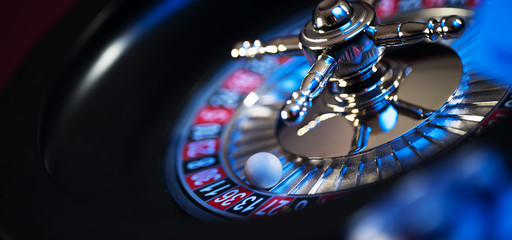
Roulette tables combine a wheel with a marked surface used during the game. The equipment creates a distinctive arrangement within a gaming room, with designated areas for the wheel, participants, and the staff member managing the activity.

The height and position of the table affect visibility and movement around it. Like other specialized furnishings, it also needs suitable lighting, cleaning, and inspection so that its physical condition remains appropriate for regular use.

The relationship between appearance and function is especially important in a frequently used venue. Decorative choices contribute to character, but the same materials and objects must also withstand cleaning, movement, and repeated handling. A design can remain attractive for longer when maintenance requirements are considered before the space begins operating.

Periodic review allows a property to compare its intended arrangements with actual daily use. Useful questions concern access, comfort, waiting, maintenance, and the clarity of information. These observations do not require every space to look the same; they help each area perform its particular role within the larger venue.

The most informative assessment considers the entire journey through the property. A comfortable room can still be difficult to use if it is poorly signposted, and a clear entrance can lead to confusing internal routes. Looking at these connections gives a fuller picture than judging individual features entirely in isolation.

The table can be understood as an example of equipment design in which layout, visibility, and established procedures are closely connected. Over time, changes in visitor patterns and service arrangements may call for adjustments, making regular observation a useful complement to the original design and to the procedures established when a facility first opens.

Casino Art Collections


Casino art collections introduce paintings, sculpture, installations, and decorative objects into hospitality spaces. Works may appear in entrances, corridors, restaurants, or dedicated display areas, contributing to the visual character of the property.

Placement involves more than choosing an empty wall. Lighting, viewing distance, cleaning access, and the surrounding flow of visitors all affect how an object is experienced and how easily it can be cared for.

The relationship between appearance and function is especially important in a frequently used venue. Decorative choices contribute to character, but the same materials and objects must also withstand cleaning, movement, and repeated handling. A design can remain attractive for longer when maintenance requirements are considered before the space begins operating.

Operational records support continuity between shifts and departments. A clear description of a task or an unresolved issue allows the next person to continue the work without reconstructing the entire situation. The value of such records depends on relevant details, consistent terminology, and a clear indication of who is responsible for follow-up.

There is no single arrangement that suits every destination. The age of the building, available floor area, surrounding transport, and mix of facilities all influence the choices available. A city property and a spacious resort may address similar needs through different layouts, even when they offer broadly comparable services to their visitors.

An art collection becomes part of the setting when presentation and upkeep are considered alongside the selection of individual works. Over time, changes in visitor patterns and service arrangements may call for adjustments, making regular observation a useful complement to the original design and to the procedures established when a facility first opens.

Casino Photography


Casino photography can document architecture, interiors, events, and the visual identity of an entertainment property. Images may be produced for a historical record, a design portfolio, or information explaining the facilities available to visitors.

Reflective surfaces, artificial lighting, and movement present practical challenges for photographers. Planning the time and position of a photograph can help show a space clearly while avoiding disruption to staff and other people using it.

Public entertainment properties bring together people with different expectations and levels of familiarity with the building. Some visitors follow a planned schedule, while others explore the available facilities. Clear information and recognizable service points help both groups make practical decisions without needing to understand the internal organization of the property.

Routine observation is an important part of managing this environment. Staff can note recurring questions, worn surfaces, difficult routes, or delays that are not obvious from a drawing. These observations provide a practical starting point for small improvements and help distinguish a temporary inconvenience from an issue that appears repeatedly.

Temporary conditions can reveal details that are less noticeable during routine operation. A busy performance, a maintenance closure, or a change in weather may alter how people use the building. Reviewing these situations helps teams prepare practical alternatives and keep their explanations consistent when the normal arrangement is unavailable.

A useful photograph communicates the character of a place while remaining attentive to the context in which the image is made. The details may differ between properties, but examining how people use the space provides a consistent way to understand its purpose and identify the everyday connections that support the complete visitor experience.

Casino Shuttle Services


Casino shuttle services provide scheduled or coordinated transport between a property and selected nearby locations. Depending on the destination, these connections may serve hotels, transport terminals, parking areas, or different parts of a large resort.

A useful service requires clear information about boarding points, operating hours, and expected waiting times. Staff also need a way to communicate changes when traffic, weather, or events affect the published schedule.

Changes within one department can affect several others. Moving an entrance, altering an event schedule, or temporarily closing a service point may change visitor routes and staff workloads elsewhere. Communicating these changes in advance makes it easier for different teams to provide consistent information and adjust their own preparations.

Information should be presented in a form that suits its audience. Visitors usually need a concise explanation of where to go or what is available, while staff may require more detailed instructions. Keeping these purposes distinct helps avoid crowded signs and makes internal procedures easier to maintain when arrangements change.

There is no single arrangement that suits every destination. The age of the building, available floor area, surrounding transport, and mix of facilities all influence the choices available. A city property and a spacious resort may address similar needs through different layouts, even when they offer broadly comparable services to their visitors.

The quality of a shuttle connection depends as much on dependable information as on the vehicles used to provide it. Considering the visitor journey together with the work performed behind the scenes gives a more complete understanding of the subject than an assessment based entirely on appearance or on a single moment of use.

Casino Theatres


Casino theatres are performance venues located within casino properties or associated entertainment complexes. Their programs may include concerts, comedy, stage productions, or other scheduled events that attract audiences independently of the gaming facilities nearby.

A theatre requires attention to stage visibility, audience seating, backstage access, and the movement of people before and after a show. Its daily operating rhythm can differ considerably from the continuous activity of an adjacent gaming room.

Public entertainment properties bring together people with different expectations and levels of familiarity with the building. Some visitors follow a planned schedule, while others explore the available facilities. Clear information and recognizable service points help both groups make practical decisions without needing to understand the internal organization of the property.

Information should be presented in a form that suits its audience. Visitors usually need a concise explanation of where to go or what is available, while staff may require more detailed instructions. Keeping these purposes distinct helps avoid crowded signs and makes internal procedures easier to maintain when arrangements change.

The most informative assessment considers the entire journey through the property. A comfortable room can still be difficult to use if it is poorly signposted, and a clear entrance can lead to confusing internal routes. Looking at these connections gives a fuller picture than judging individual features entirely in isolation.

Coordinating performances with the surrounding property helps the theatre retain its own identity without creating confusion for arriving audiences. The details may differ between properties, but examining how people use the space provides a consistent way to understand its purpose and identify the everyday connections that support the complete visitor experience.

Casino Visitor Experience


Casino visitor experience describes the combined effect of the services and spaces encountered during a visit. Arrival, directions, dining, entertainment, seating, and departure all contribute, even when a person uses only a small part of the property.

Individual departments influence one another because a delay or unclear instruction in one area can affect the next activity. Feedback is therefore more useful when it identifies the part of the journey involved rather than only giving an overall impression.

Changes within one department can affect several others. Moving an entrance, altering an event schedule, or temporarily closing a service point may change visitor routes and staff workloads elsewhere. Communicating these changes in advance makes it easier for different teams to provide consistent information and adjust their own preparations.

Information should be presented in a form that suits its audience. Visitors usually need a concise explanation of where to go or what is available, while staff may require more detailed instructions. Keeping these purposes distinct helps avoid crowded signs and makes internal procedures easier to maintain when arrangements change.

Consistency does not mean that every area must have an identical character. A property can contain quiet rooms, active public spaces, and formal service settings while using the same underlying approach to directions and communication. This combination allows variety without requiring visitors to learn a completely new system at every doorway.

Understanding the experience means examining how ordinary details connect across the whole visit, from the first entrance to the final departure. Considering the visitor journey together with the work performed behind the scenes gives a more complete understanding of the subject than an assessment based entirely on appearance or on a single moment of use.

Casino Lounges


Casino lounges offer seating and refreshments within or beside a larger entertainment venue. They may provide a meeting place before dinner, a quieter setting between activities, or an informal location for conversation away from the busiest circulation routes.

Furniture arrangements can support different kinds of visits, from individual seating to small groups sharing a table. The relationship between music volume, lighting, and distance from adjacent rooms strongly influences the character of the lounge.

The experience of a space can change with the time of day and the number of people present. An arrangement that feels spacious during a quiet afternoon may need more active management before an evening event. Observing ordinary patterns of use provides useful information about where additional signs, assistance, or room may be needed.

The size of a property influences how responsibilities are divided. A smaller venue may use a compact team across several functions, while a larger complex can support specialized departments. In either case, visitors encounter the combined result, so communication between the people delivering different services remains an important practical concern.

Consistency does not mean that every area must have an identical character. A property can contain quiet rooms, active public spaces, and formal service settings while using the same underlying approach to directions and communication. This combination allows variety without requiring visitors to learn a completely new system at every doorway.

The most useful lounge spaces have a clear purpose while remaining easy to reach from the surrounding public areas. Looking at the subject in this broader context helps explain why apparently small decisions can matter to several departments and why practical arrangements deserve attention alongside the more visible features of a venue.

Casino Shuttle Services


Casino shuttle services provide scheduled or coordinated transport between a property and selected nearby locations. Depending on the destination, these connections may serve hotels, transport terminals, parking areas, or different parts of a large resort.

A useful service requires clear information about boarding points, operating hours, and expected waiting times. Staff also need a way to communicate changes when traffic, weather, or events affect the published schedule.

Changes within one department can affect several others. Moving an entrance, altering an event schedule, or temporarily closing a service point may change visitor routes and staff workloads elsewhere. Communicating these changes in advance makes it easier for different teams to provide consistent information and adjust their own preparations.

Information should be presented in a form that suits its audience. Visitors usually need a concise explanation of where to go or what is available, while staff may require more detailed instructions. Keeping these purposes distinct helps avoid crowded signs and makes internal procedures easier to maintain when arrangements change.

There is no single arrangement that suits every destination. The age of the building, available floor area, surrounding transport, and mix of facilities all influence the choices available. A city property and a spacious resort may address similar needs through different layouts, even when they offer broadly comparable services to their visitors.

The quality of a shuttle connection depends as much on dependable information as on the vehicles used to provide it. Considering the visitor journey together with the work performed behind the scenes gives a more complete understanding of the subject than an assessment based entirely on appearance or on a single moment of use.

Casino Memorabilia


Casino memorabilia consists of objects associated with particular properties, events, or periods of entertainment history. Printed programs, postcards, promotional items, and retired decorative pieces can provide a tangible connection to the places where they originated.

The meaning of an object often depends on information about its date, use, and source. Careful descriptions distinguish documented details from uncertain associations, especially when similar designs were used by several venues over time.

Changes within one department can affect several others. Moving an entrance, altering an event schedule, or temporarily closing a service point may change visitor routes and staff workloads elsewhere. Communicating these changes in advance makes it easier for different teams to provide consistent information and adjust their own preparations.

The size of a property influences how responsibilities are divided. A smaller venue may use a compact team across several functions, while a larger complex can support specialized departments. In either case, visitors encounter the combined result, so communication between the people delivering different services remains an important practical concern.

Consistency does not mean that every area must have an identical character. A property can contain quiet rooms, active public spaces, and formal service settings while using the same underlying approach to directions and communication. This combination allows variety without requiring visitors to learn a completely new system at every doorway.

A collection is more informative when the stories attached to its objects can be understood alongside their physical appearance. Considering the visitor journey together with the work performed behind the scenes gives a more complete understanding of the subject than an assessment based entirely on appearance or on a single moment of use.