The Nature of Casino Odds
Understanding the odds at a casino requires a deep dive into how games are designed and the house edge that comes with them. Each game has a specific set of odds and probabilities calculated based on the rules and outcomes, including popular options like betting sites that players may consider for their gaming strategies. For example, in a game of blackjack, players face a house edge of about 1% with optimal strategy, meaning that for every $100 wagered, the expected loss is $1. This mathematical framework is crucial for players aiming to determine if they can successfully beat the odds.
Furthermore, some games offer better odds than others. For instance, table games like poker and blackjack usually provide better winning chances compared to slot machines. Slot machines can have a house edge ranging from 2% to 15%, primarily dictated by factors such as the specific machine and the type of game. Players must grasp these nuances to strategize effectively, as choosing the right game type can significantly influence overall outcomes and potential profits.
Moreover, the concept of variance comes into play, as it impacts how often players will win and lose during their gaming sessions. High variance games result in larger swings in bankroll, while low variance games offer smaller, more frequent wins. This unpredictability means that while it is possible to beat the odds in the short term, the long-term expectation often favors the house. Understanding this nature of odds will help players manage their expectations and navigate the gambling landscape more wisely.
Strategies to Improve Your Chances
While luck plays a significant role in casino games, there are strategies that players can adopt to improve their chances of winning. In games like blackjack, employing basic strategy can reduce the house edge significantly. This strategy includes knowing when to hit, stand, double down, or split based on the dealer’s upcard. By adhering to these optimal plays, players can minimize losses over time and enhance their potential to beat the odds.
Another effective strategy is bankroll management. Players must set limits on how much money they are willing to spend and stick to those limits. This method ensures that a player doesn’t get caught up in the excitement of the moment and wager more than they intended. Setting aside a specific amount for gambling and knowing when to walk away can help sustain a gaming session that lasts longer, increasing the chances of hitting a winning streak.

Lastly, knowing the rules and nuances of the games you play can also impact your success. For example, in poker, understanding your opponents’ betting patterns and adjusting your strategy accordingly can lead to better outcomes. Regular practice, whether online or in casual settings, can help players become more proficient, allowing them to make more informed decisions during actual gaming sessions. Thus, while there’s no guaranteed way to win at casinos, employing smart strategies can provide a competitive edge.
The Role of Luck vs. Skill
The debate on the importance of luck versus skill in gambling is a long-standing one. Many casino games are predominantly luck-based, meaning that outcomes are determined by chance rather than player skill. For example, roulette is a game where the outcome is entirely dependent on where the ball lands, making it a pure game of chance. While players can make informed bets, their success largely relies on luck, which means consistently beating the odds in such games is improbable.
Conversely, games like poker and blackjack involve a significant element of skill. Players can influence outcomes through decision-making, understanding probabilities, and reading opponents. In poker, for instance, skilled players can bluff, calculate pot odds, and make informed decisions that can lead them to victories even against luckier opponents. Hence, the balance between luck and skill varies significantly across different games, highlighting the importance of choosing games that leverage a player’s strengths.
This interplay of luck and skill also creates a unique gaming dynamic. While a luck-heavy game may lead to quick wins or losses, skill-based games often allow players to recover from bad beats with strategic play. This makes it possible for a knowledgeable player to consistently earn profits over time, despite the inherent randomness of each session. Ultimately, understanding how luck and skill influence outcomes can help players make more informed decisions about the games they choose to engage in.
The Psychological Aspect of Gambling
The psychological factors involved in gambling can greatly affect decision-making and outcomes at a casino. Emotions like excitement and anxiety often influence how players react during games. This means that players may make impulsive decisions based on their current emotional state rather than employing a calculated approach. Understanding these psychological triggers allows players to maintain composure and make better choices, especially in high-pressure situations.
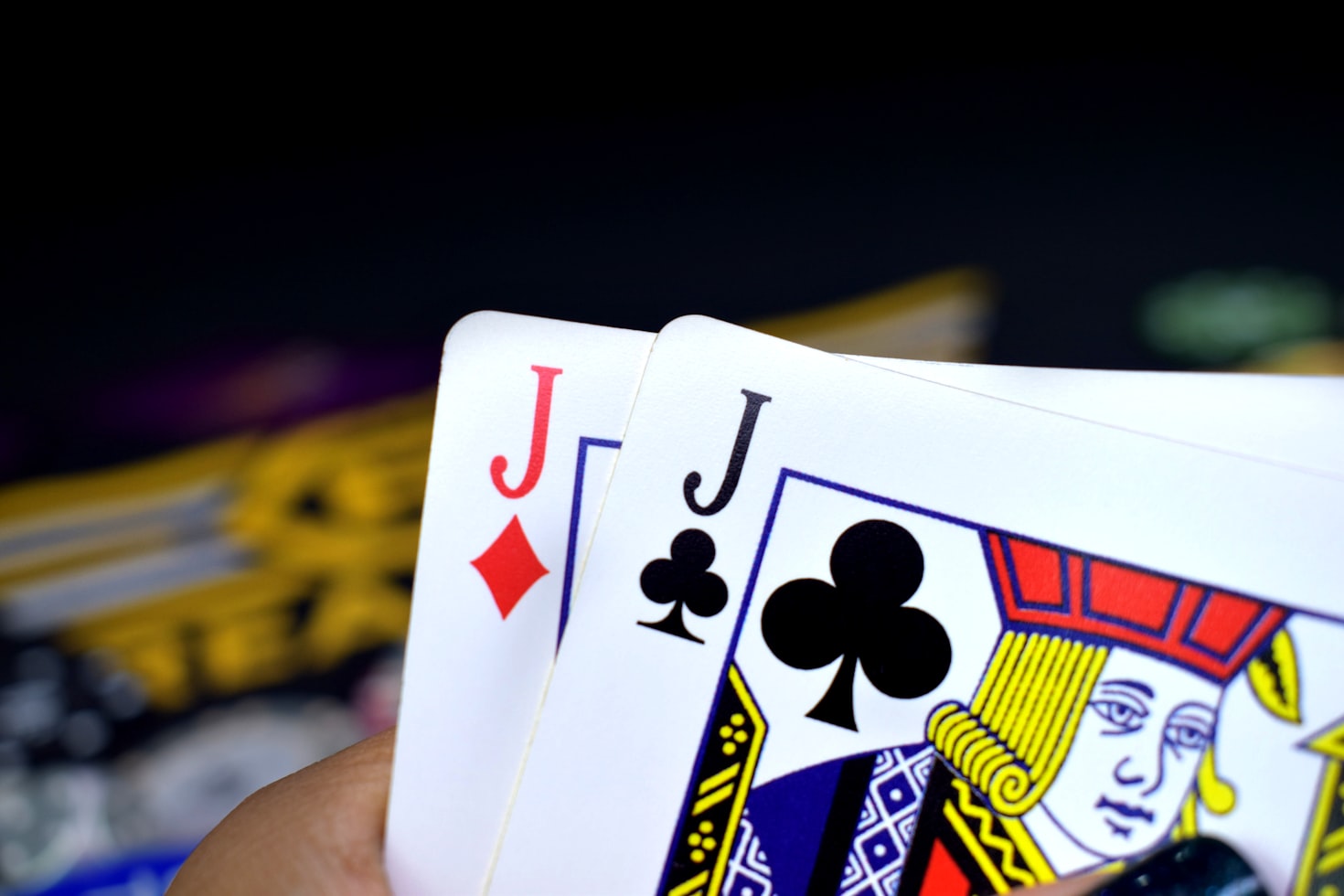
Additionally, the concept of the ‘gambler’s fallacy’ often impacts players’ perceptions of odds. Many believe that after a series of losses or wins, the odds will change in their favor. In reality, each event in games of chance is independent, and previous outcomes do not influence future results. Recognizing this fallacy and focusing on the actual probabilities can significantly improve a player’s approach to the game, fostering a more rational mindset that can lead to more successful outcomes.
Moreover, the social aspect of gambling cannot be overlooked. Many players enjoy the camaraderie of being in a casino, which can create an intoxicating atmosphere that encourages riskier bets and decisions. Developing a keen self-awareness of how social environments affect one’s gambling behavior can aid in maintaining discipline. By remaining aware of how both emotions and social dynamics influence play, individuals can better navigate the ups and downs of gambling at casinos.
Conclusion: Realities of Beating the Odds
Ultimately, understanding the complexities of odds and the various factors that influence outcomes is essential for anyone looking to engage in casino gaming. While there are strategies that can enhance your chances, the reality remains that casinos are designed to profit from the games they offer. This house edge is a built-in advantage that makes it difficult for players to consistently win over time, regardless of skill or strategy.
For players looking to enjoy the thrill of gambling, it’s crucial to do so with a clear understanding of the risks involved. Setting a budget, selecting games that favor skill, and remaining aware of the impact of psychological factors can all contribute to a more enjoyable experience. Ultimately, while beating the odds at a casino can sometimes happen, it should primarily be viewed as entertainment rather than a reliable source of income.
In conclusion, the world of casino gaming is multifaceted, with a blend of luck, strategy, and psychological dynamics. Players who arm themselves with knowledge and self-awareness are more likely to enhance their experience and manage their expectations. Remember, the thrill of the game should always take precedence over the pursuit of beating the odds, ensuring that gambling remains a fun and engaging activity without the pressure of financial loss.